How Often Should a Thomasville, NC Homeowner Schedule Septic Inspections to Avoid Residential Septic Tank Repair?
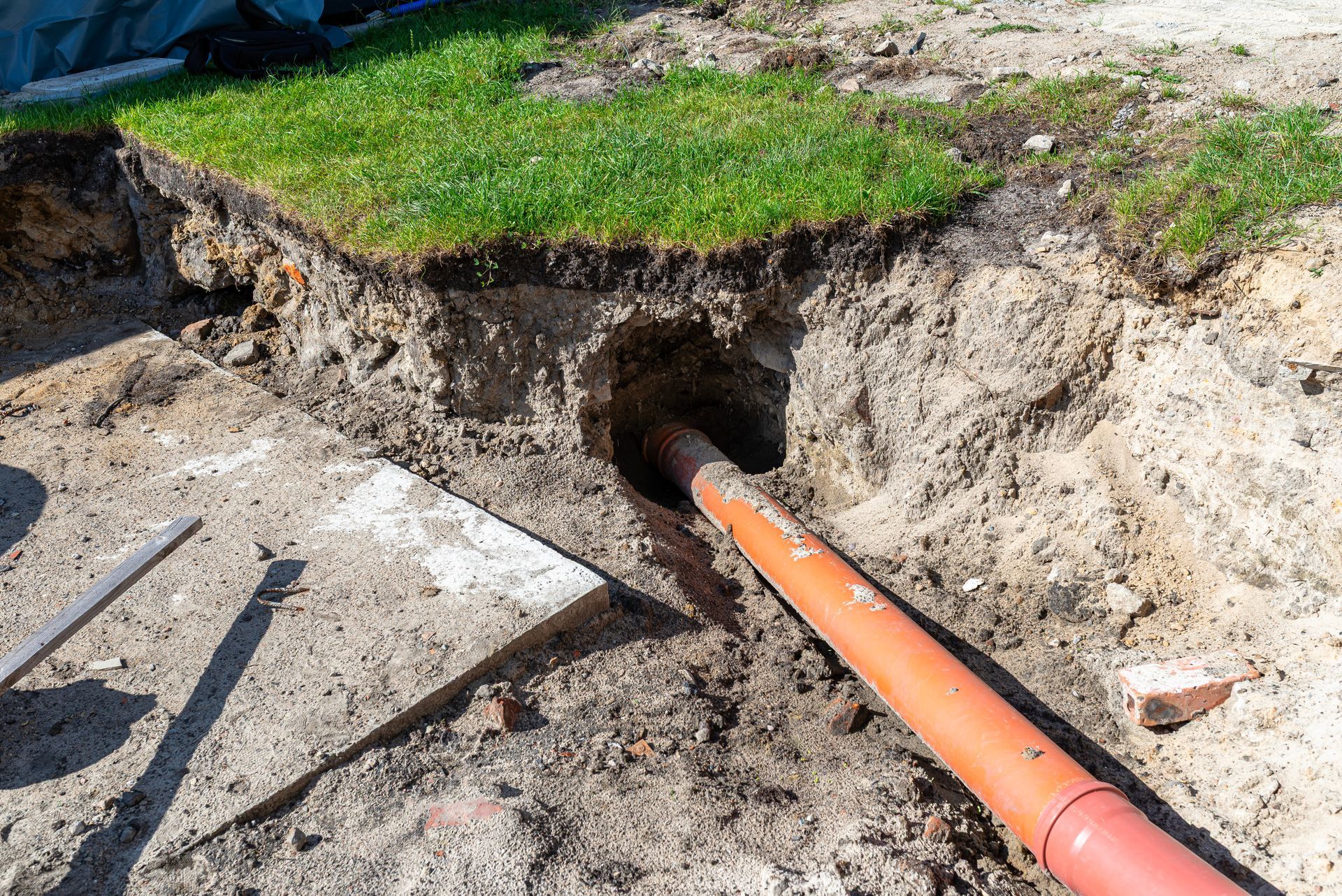
Regular septic inspections are one of the most effective ways homeowners can protect their property and avoid the cost and disruption of residential septic tank repair in Thomasville, NC. Many homeowners only call a professional when something goes wrong, but by that point, small issues may have already become major ones. Understanding how often to schedule inspections, and why frequency matters for homes in Davidson County, can save you time, money, and stress.
How Often Should You Schedule a Septic Inspection?
Most septic professionals recommend a full inspection every one to three years for a conventional system. The right interval for your home depends on several factors, including how many people live there, the age of the system, and the type of soil on your property. A general rule of thumb: the more people in the household and the older the system, the more frequently an inspection makes sense.
North Carolina does not mandate annual inspections for conventional septic systems. However, if your home uses an aerobic or alternative system, state rules require annual inspections, and skipping them can void your permit. Homeowners with conventional systems still benefit from scheduling voluntary inspections on a consistent cycle, because catching problems early is far less disruptive than residential septic tank repair or emergency response.
Pairing your inspection with routine pumping is a smart approach. Most tanks need pumping every three to five years, though household size and water usage can shift that window. Scheduling both services together means a professional gets eyes on your system regularly.
Why Davidson County Soil Makes Inspections More Important
Thomasville sits in Davidson County, which straddles the Piedmont clay belt. The red clay soils common to this area are known for slow percolation rates, meaning wastewater does not absorb into the ground quickly. When a drain field has to work harder in slow-draining soil, it becomes more vulnerable to saturation and buildup over time.
Older homes in the Thomasville area also frequently have aging systems that benefit from closer monitoring. A home built several decades ago may have a tank or drain field that was designed for different usage patterns. Combined with clay-heavy soils, an aging system can show stress signs that only a professional inspection will catch. Skipping routine checkups in these conditions often leads directly to the need for residential septic tank repair.
Seasonal rainfall in the North Carolina Piedmont region can also raise groundwater levels, putting additional pressure on drain fields during wet months. Inspecting your system in early spring or after a particularly wet season can help identify whether soil saturation is affecting your drain field's performance.
What Does a Septic Inspector Actually Check?
A thorough inspection covers more than just looking at the tank. A professional will typically evaluate the following:
- Tank integrity, including the condition of baffles and any signs of cracks or leaks.
- Sludge and scum levels inside the tank to determine whether pumping is needed.
- Drain field performance, checking for signs of surfacing effluent or soggy ground.
- Distribution boxes and pipes that route wastewater from the tank to the field.
- Vegetation and drainage patterns around the system that could affect its condition.
For homeowners dealing with residential septic tank repair needs in Thomasville, NC, early detection during an inspection often means the difference between a minor fix and a full system overhaul.
What Factors Can Shorten Your Inspection Cycle?
Certain conditions call for more frequent checkups. If your household has grown, if you have added a garbage disposal, or if your system is more than 15 to 20 years old, annual inspections may be more appropriate than the standard three-year window. Homes near Lick Creek or other water bodies in Davidson County may also face stricter attention to drain field performance to protect local water quality.
If you notice slow drains, sewage odors near your yard, or unusually green patches of grass over your drain field, do not wait for your next scheduled inspection. These are early warning signs that your system may need residential septic tank repair right away rather than routine maintenance.
How Does Inspection Frequency Prevent Costly Repairs?
Routine inspections catch issues at their earliest and most manageable stage. A cracked baffle, a slow-developing leak, or early signs of drain field saturation can all be addressed before they escalate into full system failures. Failing septic systems can disrupt daily life, create health hazards, and lead to significant residential septic tank repair or replacement costs. Consistent inspections are the most reliable way to stay ahead of those outcomes.
Think of it the same way you think about maintaining your roof or HVAC system. The small investment in routine checkups protects the much larger investment of your home.
Schedule Your Inspection Before Problems Start
Proactive maintenance is always easier than emergency response. If you are unsure when your system was last inspected or pumped, that uncertainty is a reason to schedule a visit now rather than later. Davidson County homeowners who stay on a regular inspection schedule typically face fewer surprises and lower repair bills over time.
When it is time to schedule a septic inspection or address a repair concern, Queen's Septic Tank Service is ready to help. Serving Thomasville, NC, and the surrounding Davidson County area, this family-owned team brings decades of experience to every service call. For questions or to schedule your next inspection, visit the Thomasville residential septic services page or reach out through the contact page. For urgent issues that cannot wait, 24/7 emergency septic services are also available. Call or text (336) 870-1144 today to get started.