Is Residential Septic Repair Covered by Homeowner's Insurance in NC? What Thomasville Residents Should Know
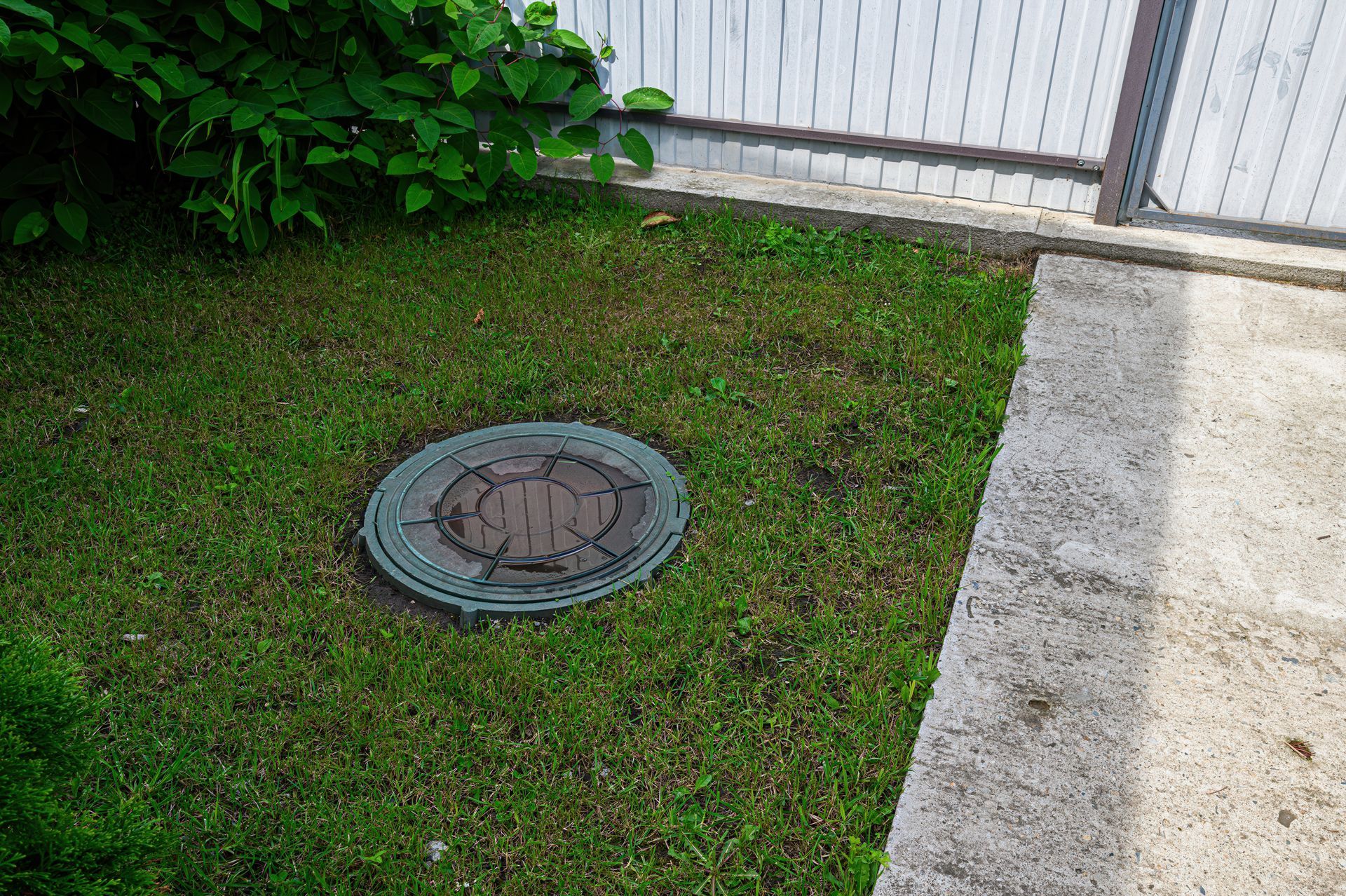
Most homeowners in Thomasville, NC, are surprised to find that standard insurance policies rarely cover residential septic repair costs. Septic systems serve a large number of homes throughout Randolph and Davidson Counties, where many properties sit on rural or semi-rural lots without municipal sewer access. Understanding how your homeowner's policy treats your septic system is one of the smartest things you can do before trouble strikes.
What Standard NC Homeowner's Insurance Policies Usually Exclude
Most NC homeowner's insurance policies do not cover septic system repairs, and many homeowners only learn the limits of their policy after something goes wrong. That is a frustrating and expensive way to find out when residential septic repair can run into thousands of dollars.
The most common reasons a septic claim may be denied include cracked tanks, aging pipes, and failing drain fields, which are considered normal deterioration and explicitly excluded as wear and tear. Problems caused by infrequent pumping or improper waste disposal are not covered. Leaks or seepage that develop over months or years are not considered sudden or accidental, even if the homeowner never noticed them. Drain field failures caused by saturated soil or rising groundwater are also typically excluded.
In North Carolina, the standard HO-3 and HE-7 policy forms both contain specific exclusions worth reading closely. Water or sewer backup is excluded on NC home insurance policies but can be endorsed back onto your policy. Thomasville homeowners should review their declarations page to see exactly what is and is not included.
When Can Coverage Actually Apply?
Coverage may apply under specific conditions. Home insurance may cover damage to your septic tank, leach field, and connecting pipes if caused by a sudden, accidental event such as fire, hail, lightning, a tree impact, or vehicle damage. The key word insurers look for is "sudden." Gradual problems, even ones you never noticed, are almost always excluded.
Septic tanks typically fall under other structures coverage, which safeguards property elements not attached to the house and often includes septic tanks. Policies usually allocate about 10% of the dwelling limit to other structures, potentially covering repair or replacement costs for damage due to covered perils. This is where you would likely look first after a covered event.
Some homeowners add optional endorsements. Septic system coverage can be added as an endorsement that helps pay for repairs or replacement when the system fails due to unexpected issues such as a sudden collapse or accidental malfunction.
Questions to Ask Your Insurer Before You File a Claim
Asking the right questions now can prevent a denied claim later. Before any residential septic repair need arises, consider asking your insurance agent the following:
▸Does my policy include other structures coverage, and does it extend to my septic tank and connecting pipes?
▸Is water or sewer backup coverage included, or do I need to add an endorsement?
▸Does my policy offer a service line endorsement that protects underground utilities, including septic lines?
▸What documentation will I need if I file a claim?
▸Is the cause of damage classified as sudden and accidental, or gradual?
Getting clear answers in writing before a problem happens puts you in a much stronger position.
Steps to Take Before Calling for Repairs
Taking a few steps before you call a technician may help protect any potential insurance claim.
1. Document the problem with photos and written notes before any work begins.
2. Check your policy for other structures coverage limits and any septic-specific exclusions.
3. Contact your insurer to report the issue and ask about coverage before authorizing repairs.
4. Provide documentation and work with an adjuster to assess the damage.
5. Keep all invoices, inspection reports, and maintenance records on file.
Regular maintenance records are especially useful. Insurers may ask for proof that the system was properly maintained before agreeing to cover damage. Routine pumping every three to five years is widely recommended and can support your case.
Does Homeowner's Insurance Cover Septic Repairs in NC?
Standard NC homeowner's insurance policies rarely cover septic repairs. A standard policy may cover damage to the tank or pipes if caused by a covered peril such as a lightning strike, but system failures are generally excluded. Knowing this in advance helps Thomasville homeowners budget appropriately for residential septic repair when issues arise.
What Is the Difference Between Sudden and Gradual Septic Damage?
Sudden damage happens all at once from a specific event, while gradual damage builds up over time. Sudden events like fires or vandalism are usually covered, but wear and tear or inadequate maintenance typically leads to claim denials. Common causes such as clogged drains or drain field saturation may or may not be covered depending on the circumstances.
Can I Add Septic Coverage to My Existing Policy?
Yes, in many cases you can. Ask your agent about a water backup endorsement or a service line endorsement to see what options are available. Both can provide meaningful protection that a standard policy leaves out.
Get Expert Help Serving Thomasville When You Need It Most
Whether or not your insurance covers the repair, acting quickly protects your home and family. When you need trusted residential septic repair serving Thomasville, NC, Queen's Septic Tank Service is ready to help. The team is experienced serving Randolph and Davidson County homeowners and offers after-hours emergency service when the timing is anything but convenient.
Call or text (336) 870-1144 to schedule service or ask about your options. You can also reach out through the contact page to request an appointment, or explore the full range of residential septic services available for Thomasville area homeowners.